What do finance jobs pay

What do finance jobs pay and is finance a good career path

ChatGPT Image Jan 30 2026 09 15 20 PM 1 e1769788390700Introduction

Finance careers attract attention because they promise strong salaries, long-term stability, and access to influential decision-making roles across industries. Many students and professionals ask whether the pay truly matches the pressure and expectations of the field.

Understanding what finance jobs pay and whether finance is a good career path requires looking beyond headlines. Salary ranges, growth potential, skills, and lifestyle factors all play a role in making the right decision.

What Do Finance Jobs Pay on Average?

This section explains the typical salary ranges in finance and what professionals can realistically expect at different career stages.

On average, finance jobs pay higher than many other professional fields, especially after the first few years. Entry-level roles may start modestly, but compensation increases rapidly with experience.

Typical average salary ranges include:

  • Entry-level finance roles: $45,000–$65,000 per year
  • Mid-level finance professionals: $70,000–$120,000 per year
  • Senior finance managers and leaders: $130,000–$250,000+ per year

Compensation often includes bonuses, profit-sharing, stock options, and commissions, which significantly boost total earnings. Roles tied directly to revenue or investments usually earn the highest incentives.

Finance Job Salary Breakdown by Role and Experience

This section breaks down how different finance roles pay based on responsibilities and seniority levels.

Finance salaries vary widely depending on job title and years of experience. Some roles emphasize analysis, while others focus on strategy or client management.

Common finance roles and pay ranges:

  • Financial Analyst: $60,000–$95,000
  • Accountant: $55,000–$85,000
  • Investment Banker: $90,000–$200,000+
  • Finance Manager: $100,000–$160,000
  • Chief Financial Officer (CFO): $180,000–$400,000+

Experience dramatically impacts earnings:

  • 0–2 years: Learning-focused, lower pay, limited bonuses
  • 3–7 years: Rapid salary growth and promotion opportunities
  • 8+ years: Leadership roles with performance-based compensation

Finance Salaries by Industry and Location Trends

This section highlights how industry choice and geographic location influence finance pay scales.

Not all finance jobs pay the same across industries. High-profit sectors typically reward finance professionals more generously.

Industries with the highest finance salaries:

  • Investment banking and hedge funds
  • Private equity and venture capital
  • Technology and fintech companies
  • Corporate finance in multinational firms

Location also matters. Major financial hubs pay more due to demand and cost of living:

  • New York, London, Singapore: Highest global finance pay
  • Tier-2 cities: Competitive salaries with better work-life balance
  • Remote finance roles: Growing opportunities with location-neutral pay

Skills That Increase Finance Job Pay and Growth

This section explains which skills directly improve earning potential in finance careers.

High-paying finance jobs require more than a degree. Employers reward professionals who bring specialized, high-impact skills.

Top skills that increase finance salaries:

  • Financial modeling and valuation
  • Data analysis using Excel, SQL, or Python
  • Risk management and forecasting
  • Regulatory and compliance expertise
  • Strategic decision-making and leadership

Professional certifications also boost pay:

  • CFA (Chartered Financial Analyst)
  • CPA (Certified Public Accountant)
  • MBA in Finance
  • FRM (Financial Risk Manager)

These credentials signal expertise, credibility, and long-term commitment to the field.

Is Finance a Good Career Path in 2026 and Beyond?

This section evaluates finance as a long-term career option based on future trends and stability.

Finance remains a strong career path due to its adaptability and global relevance. Businesses will always need professionals to manage money, risk, and growth.

Reasons finance is still a good career path:

  • Consistent demand across industries
  • High earning potential over time
  • Transferable skills for leadership roles
  • Opportunities in emerging fields like fintech

Automation may change some tasks, but strategic finance roles are becoming more valuable, not less.

Pros and Cons of Choosing Finance as a Career

This section provides a balanced view of the advantages and challenges of finance careers.

Every career has trade-offs, and finance is no exception. Understanding both sides helps set realistic expectations.

Pros of a finance career:

  • High salary ceilings
  • Clear promotion pathways
  • Global job opportunities
  • Strong professional prestige

Cons of a finance career:

  • Long working hours in some roles
  • High pressure and performance targets
  • Continuous learning required
  • Competitive job market at top firms

Success depends on resilience, skill development, and long-term focus.

How to Start a High-Paying Career in Finance

This section outlines practical steps to enter finance and maximize income potential.

Building a successful finance career starts with smart preparation and strategic choices early on.

Key steps to begin:

  • Earn a degree in finance, accounting, or economics
  • Develop technical and analytical skills
  • Gain internships or entry-level experience
  • Build a strong professional network
  • Pursue certifications for specialization

Choosing growth-oriented roles early can significantly improve long-term earning potential.

FAQs About What Do Finance Jobs Pay and Career Path

This section answers common questions readers ask before choosing finance as a career.

What do finance jobs pay at the entry level?

Entry-level finance jobs typically pay between $45,000 and $65,000 annually, depending on role and location.

What finance job pays the highest salary?

Investment banking, private equity, and CFO roles offer the highest finance salaries over time.

Is finance a good career path for long-term growth?

Yes, finance offers strong long-term growth due to consistent demand and leadership opportunities.

Do finance jobs require advanced degrees?

Not always, but certifications and advanced degrees significantly increase earning potential.

Are finance jobs stressful?

Some roles are high-pressure, but stress levels vary widely by position and industry.

Can finance careers offer work-life balance?

Yes, especially in corporate finance, accounting, and advisory roles outside investment banking.

Is finance future-proof with automation?

Strategic and analytical finance roles remain highly valuable despite automation trends.

How long does it take to earn a high salary in finance?

Most professionals see strong salary growth within five to seven years of experience.

Why Is BTC Down Today? Inside Bitcoin’s Sudden $10,000 Crash

Why Is BTC Down Today?

Why Is BTC Down Today?

Introduction

Bitcoin’s sudden drop has caught traders and long-term investors off guard, triggering fear, liquidations, and intense debate across the crypto market. Many are searching for one clear reason, but the reality is more layered.

To understand why BTC is down today, you need to look at price action, macro signals, leverage behavior, and shifting expectations around global monetary policy—all hitting at once.

What Is Driving Bitcoin Down Today in the Crypto Market?

This section explains the core definition behind today’s Bitcoin drop and why multiple forces are aligning at the same time instead of a single trigger.

Bitcoin is down today because selling pressure, leveraged liquidations, and macro uncertainty collided within a short time window. When BTC lost key technical levels near recent support, automated sell orders and margin calls accelerated the decline.

Several elements combined simultaneously:

  • Loss of technical support near $85,000
  • Aggressive liquidation of overleveraged long positions
  • Shifts in expectations around U.S. Federal Reserve leadership
  • Risk-off sentiment across global markets

Rather than one bad headline, the move reflects a fragile market structure reacting to stress.

What Happened to Bitcoin Price in the Last 24 Hours?

This section breaks down the short-term price action and explains why the move felt so sudden and violent.

Bitcoin fell nearly $10,000 within 24 hours, briefly touching lows near $81,000 before a weak bounce. The speed of the decline amplified fear and forced traders out of positions.

Key price developments include:

  • BTC dropped below short-term trend support
  • Momentum indicators flipped bearish
  • Stop-loss clusters were triggered rapidly

When price falls this fast, recovery attempts tend to be shallow, reinforcing bearish confidence in the short term.

Why Is BTC Down Today?

What Role Did Crypto Liquidations Play in BTC’s Decline?

This section explains how leverage magnified the drop and why liquidations matter more than headlines.

More than $1.75 billion in crypto long positions were liquidated in a single day, with $777 million wiped out in just one hour. This created a cascading sell effect.

How Liquidations Accelerate Bitcoin Drops

  • Forced selling occurs regardless of price
  • Exchanges auto-close leveraged positions
  • Market depth thins during panic moves
  • Each liquidation pushes price lower

High leverage made the market fragile, and once BTC dipped, liquidations turned a pullback into a sharp plunge.

What Technical Levels Failed and Why They Matter for Bitcoin?

This section focuses on chart-based signals that traders closely watch and react to.

Bitcoin lost a critical support zone formed in November, just above $81,000. This level had previously acted as a demand floor, making its failure psychologically important.

Key Technical Signals Turning Bearish

  • Breakdown below short-term moving averages
  • Loss of prior higher-low structure
  • Increased volume on red candles
  • Momentum divergence on lower timeframes

When technical traders see these signals align, selling pressure often intensifies quickly.

What Impact Did Federal Reserve Speculation Have on BTC Price?

This section explains how political and monetary expectations indirectly affect Bitcoin.

Comments from U.S. President Donald Trump boosted speculation that Kevin Warsh could become the next Federal Reserve chair. Markets interpreted this as potentially less dovish monetary policy.

Bitcoin reacts negatively to:

  • Expectations of higher interest rates
  • Reduced liquidity
  • Stronger U.S. dollar outlook

Crypto thrives on loose financial conditions, so any hint of tighter policy pressures prices downward.

What Is Happening With Ether and the Broader Crypto Market?

This section places Bitcoin’s drop within the wider market context.

Ether (ETH) fell below a key bull market trendline, signaling broader weakness across altcoins. When Ethereum weakens, confidence across the crypto ecosystem drops.

Market-wide signals include:

  • Altcoins underperforming BTC
  • Declining total crypto market cap
  • Reduced on-chain activity
  • Lower risk appetite among traders

Bitcoin rarely moves alone, and today’s decline reflects systemic pressure.

What Role Does Market Sentiment Play in Bitcoin Falling Today?

This section explains how fear and psychology amplify downside moves.

Sentiment flipped from cautious optimism to outright fear within hours. When traders expect further downside, they sell rallies instead of buying dips.

Common sentiment indicators show:

  • Rising fear index readings
  • Negative funding rates
  • Increased short positioning
  • Lower social media confidence

Once sentiment turns bearish, even neutral news struggles to support price.

What Macro Factors Are Adding Pressure to Bitcoin Right Now?

This section connects Bitcoin’s move to global financial conditions.

Bitcoin remains sensitive to global risk markets, including equities, bonds, and currencies. Rising yields and uncertainty push investors toward safer assets.

Macro pressures include:

  • Elevated bond yields
  • Stronger dollar expectations
  • Uncertainty around global growth
  • Reduced speculative capital flows

These forces don’t cause instant crashes but weaken support when selling begins.

What Does This Bitcoin Drop Mean for Short-Term Traders?

This section focuses on immediate implications for active market participants.

Short-term traders face increased volatility and unpredictable price swings. Support zones are weaker, and fake breakouts become more common.

Key Risks for Traders Right Now

  • Wider liquidation ranges
  • High intraday volatility
  • Thin order books
  • Emotional decision-making

Risk management matters more than direction during periods like this.

What Does Today’s BTC Drop Mean for Long-Term Investors?

This section explains the broader perspective for holders focused on fundamentals.

Long-term investors often view sharp drops as volatility, not invalidation. Bitcoin’s long-term thesis remains unchanged by short-term leverage flushes.

For long-term holders:

  • Network fundamentals remain stable
  • Adoption trends continue
  • Volatility is expected behavior
  • Time horizon reduces emotional impact

However, patience and capital management are still essential.

What Key Levels Should Bitcoin Investors Watch Next?

This section highlights important price zones without making predictions.

Bitcoin now faces a crucial test around the $81,000–$83,000 range. Holding this zone could stabilize price, while losing it may invite further downside.

Important Areas to Monitor

  • Immediate support near recent lows
  • Resistance at broken support zones
  • Volume response on rebounds
  • Liquidation heatmaps

Markets often consolidate after violent moves before choosing direction.

What Could Trigger a Bitcoin Recovery From Here?

This section explains potential stabilizing factors rather than guarantees.

Bitcoin recoveries usually follow liquidity resets and sentiment exhaustion. Once forced selling ends, price can stabilize even without bullish news.

Possible recovery catalysts include:

  • Decline in liquidation volume
  • Stabilizing macro signals
  • Improved risk sentiment
  • Strong spot buying interest

Recovery takes time, especially after leverage-driven crashes.

What Lessons Can Be Learned From This BTC Price Drop?

This section summarizes the structural takeaways for investors and traders.

Today’s drop reinforces that Bitcoin is still a high-volatility asset influenced by leverage, macro forces, and sentiment. Understanding these dynamics reduces surprise.

Core lessons include:

  • Leverage amplifies risk
  • Technical levels matter
  • Macro narratives affect crypto
  • Discipline outperforms emotion

Knowledge doesn’t prevent losses, but it improves decision-making.

FAQs About Why Is BTC Down Today

Why is BTC down today despite no major bad news?

Bitcoin fell due to technical breakdowns, leverage liquidations, and shifting macro expectations rather than a single headline.

Why did Bitcoin drop so fast within one day?

Heavy leverage caused forced liquidations, accelerating selling once key support levels failed.

Why are crypto liquidations important when BTC falls?

Liquidations force automatic selling, pushing prices lower regardless of trader intent.

Why does Federal Reserve speculation affect Bitcoin price?

Bitcoin reacts to liquidity conditions, and tighter monetary expectations reduce risk appetite.

Why is Ethereum dropping along with Bitcoin today?

ETH lost a key trendline, signaling broader market weakness across crypto assets.

Why do technical levels matter for BTC price movements?

Traders use support and resistance to place orders, making breaks self-reinforcing.

Why does market sentiment worsen so quickly during BTC crashes?

Fear spreads rapidly during fast drops, causing traders to sell defensively.

Why do long-term investors view BTC drops differently?

They focus on fundamentals and adoption, not short-term volatility driven by leverage.

Why Is the Market Down Today? Key Reasons Investors Need to Know

Why Is the Market Down Today?

global market down todayThe stock market can fall suddenly, leaving investors confused, anxious, and searching for quick answers. When headlines turn red, the big question becomes simple: why is the market down today?
Market declines rarely have a single cause. They are usually the result of economic signals, global events, and investor psychology colliding at the same time.

What Does “Why Is the Market Down Today” Really Mean for Investors?

This section explains what a market decline actually represents and why short-term drops do not always signal long-term trouble.

When people ask why is the market down today, they are usually referring to a broad decline across major indices like the Sensex, Nifty, Dow Jones, or S&P 500. A down market means selling pressure is stronger than buying interest during that trading session.

Key points to understand include:

  • Markets move daily based on expectations, not just facts
  • A single red day does not define a trend
  • Declines reflect collective investor sentiment at that moment

Short-term drops often occur even in strong economies. Understanding context matters more than reacting emotionally.

Why Is the Market Down Today Due to Economic Data and Indicators?

Economic data shapes investor confidence, and even small surprises can trigger large market reactions.

When economic indicators miss expectations, markets often react instantly. Investors price in future risks based on current data signals.

Common economic triggers include:

  • Higher inflation readings reducing purchasing power
  • Rising unemployment numbers signaling slower growth
  • Weak GDP growth reports raising recession fears

Below is a simple view of how data affects markets:

Economic Indicator Market Impact
Inflation rises Stocks often fall
Interest rates up Growth stocks decline
Strong GDP Markets may stabilize

Negative data does not mean collapse, but it increases uncertainty.

Why Is the Market Down Today Because of Interest Rate Changes?

Interest rates are one of the strongest forces influencing stock prices globally.

When central banks raise rates, borrowing becomes expensive. This directly affects corporate profits and consumer spending, which markets dislike.

Interest rate hikes usually impact:

  • Technology and growth stocks first
  • Real estate and housing sectors
  • Highly leveraged companies

Even hints of future rate hikes can cause selling. Markets are forward-looking and react before changes actually happen.

Why Is the Market Down Today Due to Global News and Geopolitical Tensions?

Global events can instantly shake financial markets, even if they occur far from home.

why market is down today live updates

Geopolitical uncertainty creates fear because it is unpredictable. Investors often sell risky assets and move to safety.

Typical global triggers include:

  • Wars or military conflicts
  • Trade tensions between major economies
  • Energy supply disruptions

During such periods, markets prefer caution over growth. Volatility becomes normal until clarity returns.

Why Is the Market Down Today Because of Corporate Earnings and Guidance?

Company earnings reports heavily influence daily market direction.

If major companies report profits below expectations, markets react sharply. Even profitable companies can drag markets down if future guidance is weak.

Earnings-related reasons include:

  • Lower revenue growth forecasts
  • Rising operational costs
  • Reduced consumer demand

One disappointing earnings season can outweigh several positive economic signals, especially in index-heavy markets.

Why Is the Market Down Today Due to Investor Sentiment and Fear?

Markets are driven by humans, and humans react emotionally to uncertainty.

Fear spreads faster than facts. When investors panic, selling accelerates and prices drop quickly.

Signs of negative sentiment include:

  • High trading volumes during declines
  • Increased volatility index levels
  • Media headlines turning pessimistic

This behavior often creates short-term overselling, which later leads to rebounds.

Why Is the Market Down Today Because of Profit Booking and Valuations?

Sometimes, markets fall simply because prices went up too fast.

After long rallies, investors lock in profits. This selling pressure causes temporary corrections.

Profit booking usually happens when:

  • Stock valuations look stretched
  • Indices hit record highs
  • Early investors decide to exit

Corrections driven by valuation are healthy and help markets reset for future growth.

Why Is the Market Down Today and How Long Will the Decline Last?

This section focuses on timing and expectations rather than predictions.

No one can predict exactly how long a market decline will last. Some drops reverse in days, while others take months to recover.

Historical patterns show:

  • Short-term declines are common
  • Long-term trends depend on economic fundamentals
  • Patient investors often recover losses

Instead of timing the market, understanding cycles leads to better decisions.

Why Is the Market Down Today and What Should Investors Do Next?

Knowing how to react is more important than knowing why markets fall.

Smart investors focus on strategy, not panic. Market downturns often create opportunities.

Practical steps include:

  • Avoid emotional selling
  • Review portfolio diversification
  • Focus on quality assets

Down markets reward discipline more than speed.

Frequently Asked Questions About Why Is the Market Down Today

Why is the market down today even when the economy seems strong?

Markets react to future expectations, not current conditions. Even strong economies can face short-term market declines due to fear or policy changes.

Why is the market down today across all sectors?

Broad sell-offs usually happen when investors reduce risk overall, affecting nearly every sector at once.

Why is the market down today and should I sell my stocks?

Selling during panic often locks in losses. Decisions should align with long-term goals, not daily movements.

Why is the market down today after good news?

Good news may already be priced in. If expectations were higher, markets can still fall.

Why is the market down today in India and globally?

Global markets are interconnected. International events, rates, and currencies impact all major exchanges.

Why is the market down today but some stocks are rising?

Defensive or undervalued stocks can rise even when the broader market declines.

Why is the market down today and is this a correction?

If prices fall 10% or more from recent highs, it is typically considered a correction.

Why is the market down today and when will it recover?

Recovery timing depends on economic stability, earnings growth, and investor confidence, which vary each cycle.

How to Build an Emergency Fund in 2025: Smart Saving Strategies for Uncertain Times

ChatGPT Image May 11 2025 08 23 48 AM

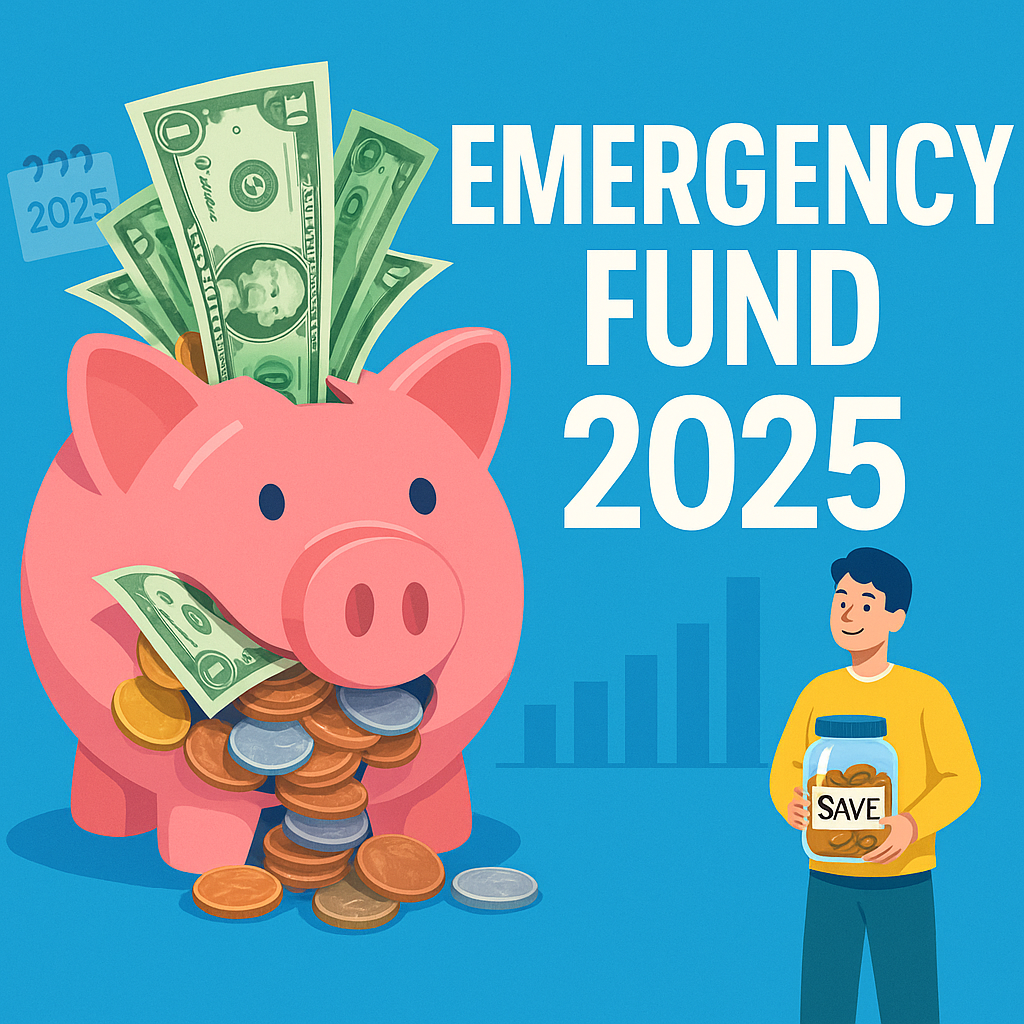
Financial uncertainty can strike at any moment—a sudden car repair, a medical bill, or an unexpected job loss. In fact, recent studies show that over half of people lack enough savings to cover a $1,000 emergency. That’s where an emergency fund comes in. It’s your financial safety net, giving you peace of mind and stability when life throws curveballs. In 2025, with rising costs and unpredictable economic shifts, building an emergency fund is more crucial than ever. This blog post will guide you through practical, easy-to-follow strategies on how to build an emergency fund in 2025, tailored for anyone looking to take control of their finances.

Whether you’re starting from scratch or boosting existing savings, these tips will help you save smarter and faster. Let’s dive into why an emergency fund matters, how much you need, and the actionable steps to build one in 2025, focusing on how to build an emergency fund in 2025.

Why You Need an Emergency Fund in 2025

An emergency fund is money set aside for unexpected expenses, separate from your regular savings or investments. It’s not for planned purchases like a vacation or a new gadget—it’s for life’s surprises. In 2025, economic pressures like inflation and fluctuating job markets make this fund a must-have. Without it, you might rely on credit cards or loans, which can lead to debt and stress. A solid emergency fund offers greater financial security and peace of mind, especially when considering how to build an emergency fund in 2025.

  • Financial Security: Covers urgent expenses without derailing your budget.
  • Peace of Mind: Reduces anxiety about “what if” scenarios.
  • Flexibility: Allows you to handle crises without borrowing or dipping into retirement savings.

How Much Should Your Emergency Fund Be?

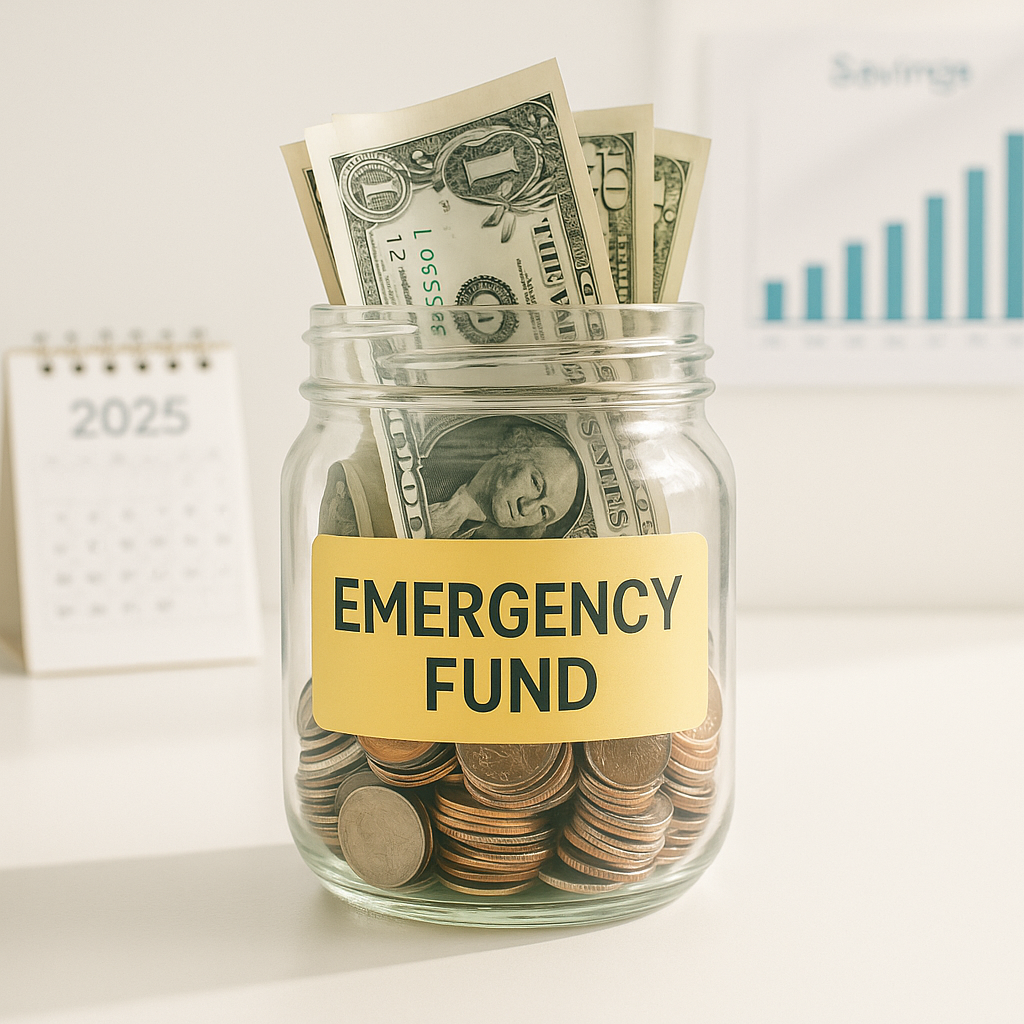
The ideal emergency fund size depends on your lifestyle, income, and responsibilities. A common rule of thumb is to save 3–6 months’ worth of living expenses. Here’s a quick breakdown:

SituationRecommended Emergency Fund Size
Single, stable job, no dependents3 months of expenses
Dual-income household, stable jobs3–4 months of expenses
Single income, dependents, or variable income6 months of expenses
Freelancer or unstable job market6–12 months of expenses

To calculate your target, add up essential monthly expenses like rent, utilities, groceries, and insurance. Multiply by the number of months that fits your situation. For example, if your monthly expenses are $2,000, aim for $6,000–$12,000.

Don’t panic if this feels overwhelming! Start small and build gradually. Even $500 can cover many minor emergencies, and you can grow from there.

ChatGPT Image May 11 2025 08 07 17 AM 1

7 Smart Strategies to Build Your Emergency Fund in 2025

Ready to start saving? These practical steps will help you build your emergency fund, no matter your income or starting point.

1. Set a Clear Savings Goal

Define a specific, realistic target to stay motivated. Break it into milestones, like $500, $1,000, or one month’s expenses. Write down your goal and track progress monthly. A clear target makes saving feel achievable and keeps you focused.

2. Open a Dedicated Savings Account

Keep your emergency fund separate from your checking or regular savings account to avoid dipping into it. Look for a high-yield savings account with competitive interest rates to grow your money faster. Many online banks offer rates above 4% in 2025, compared to traditional banks’ 0.5%. Ensure the account is easily accessible but not linked to your daily spending.

3. Automate Your Savings

Automation is a game-changer. Set up a recurring transfer from your checking account to your emergency fund right after payday. Even $25 per paycheck adds up to $600 a year. Treating savings like a bill ensures consistency and removes the temptation to skip contributions.

4. Cut Non-Essential Expenses

Review your spending to find areas to trim. Cancel unused subscriptions, reduce dining out, or switch to a cheaper phone plan. Redirect the savings to your emergency fund. For example, cutting $50 a month from takeout can add $600 annually to your fund. Use budgeting apps to track spending and identify leaks.

5. Boost Your Income

Increasing your income accelerates your savings. Consider side hustles like freelancing, tutoring, or selling unused items online. In 2025, gig platforms and remote work opportunities are abundant. Dedicate all extra earnings to your emergency fund for faster progress.

6. Save Windfalls and Bonuses

Tax refunds, work bonuses, or cash gifts are perfect opportunities to supercharge your fund. Instead of splurging, commit at least 50% of any windfall to your emergency fund. A $1,000 tax refund could instantly cover a small emergency or bring you closer to your goal.

7. Start Small and Stay Consistent

If money is tight, begin with $10 a week. Consistency matters more than the amount. Over time, small contributions add up, and as your financial situation improves, you can increase your savings rate. Celebrate milestones to stay motivated, like treating yourself to a coffee when you hit $500.

Common Mistakes to Avoid

  • Not Prioritizing Savings: Waiting until “extra” money appears rarely works. Treat your fund as a non-negotiable expense.
  • Using the Fund for Non-Emergencies: Avoid tapping it for impulse buys or planned expenses. Define what counts as an emergency (e.g., medical bills, car repairs).
  • Keeping It Too Accessible: Storing your fund in a checking account risks accidental spending. Use a separate savings account with limited access.
  • Giving Up Too Soon: Saving takes time. If progress feels slow, focus on small wins and adjust your strategy as needed.

Tools and Resources to Help You Save

In 2025, technology makes saving easier. Here are some tools to support your emergency fund journey:

Tool TypeExamplesHow It Helps
Budgeting AppsYNAB, MintTracks spending and highlights savings opportunities
High-Yield Savings AccountsOnline banks, credit unionsEarns higher interest to grow your fund faster
Side Hustle PlatformsUpwork, Fiverr, eBayConnects you to extra income sources
Savings TrackersSpreadsheets, goal-tracking appsMonitors progress and keeps you motivated

Take the First Step Today

Building an emergency fund in 2025 is one of the smartest financial moves you can make. It’s not just about money—it’s about gaining control, reducing stress, and preparing for the unexpected. Start with a small, achievable goal, automate your savings, and use the strategies above to stay on track. Even a modest fund can make a big difference when life surprises you.

Call to Action: Calculate your emergency fund target now. Add up your monthly expenses, pick a 3–6 month goal, and commit to saving $10 this week. Open a high-yield savings account and set up a $25 monthly transfer. Your future self will thank you!